

Understanding how paint affects room size can help you make a space feel more spacious, wider, taller or cosier without making any structural changes.
Paint is more than a finishing touch; it is a design tool with the power to reshape how a room is experienced. With the right colour choices and placement, walls can appear to recede, ceilings can seem higher, narrow spaces can feel wider, and large rooms can become warmer and more inviting.
This is what makes paint such a clever form of visual illusion. Without moving a single wall, you can open up a small bedroom, soften the feel of a long passage, or give a spacious living area a more intimate sense of comfort. It all comes down to understanding how colour, contrast and light work together to guide the eye.
Use Light Colours to Make a Room Feel Bigger
Light colours are the quiet magicians of interior design when you want a room to feel brighter, fresher and more expansive.
Whites, off-whites, creams, pale greys and soft muted tones catch available light and move it gently around the room. As the contrast between walls softens, the edges of the space begin to blur, making the room feel less enclosed and more breathable.
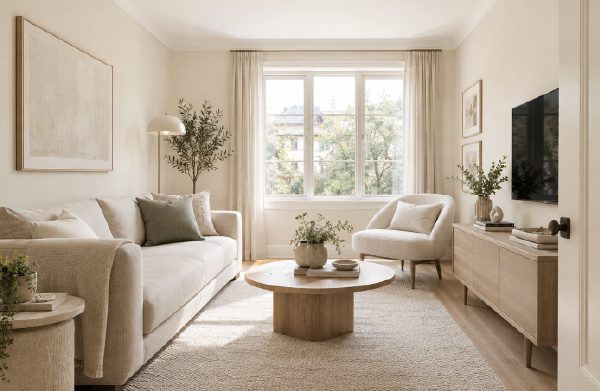
This gentle, light-reflecting approach is especially effective in spaces that need a little extra airiness, such as:
- Small bedrooms
- Narrow passages
- Compact living rooms
- Home offices
- Rooms with limited natural light
Creating this sense of openness does not mean defaulting to pure white. Warm ivory, soft beige, pale sage and gentle greys can achieve the same spacious feeling while adding personality, warmth and a more considered design finish.
For an added lift, keep the ceiling slightly lighter than the walls. This draws the eye upward and gives the room a taller, more open feeling, almost as though the ceiling has been raised by colour alone.
Use Darker Colours to Create Depth and Warmth
Dark colours are often treated with caution in smaller spaces, yet when used with intention, they can become some of the most powerful tools in a designer’s palette. Deep greens, navy blues, charcoal greys and other saturated shades wrap a room in richness, adding depth, mood and a sense of quiet sophistication.
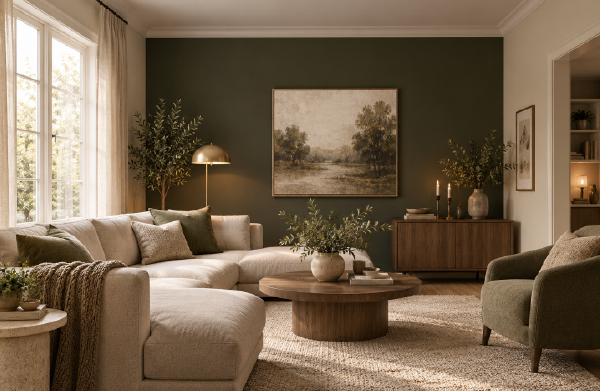
In larger rooms that feel a little empty or exposed, these colours can draw the space inward, creating a warmer and more inviting atmosphere.
Dark shades can work well in:
- Large living rooms
- Dining rooms
- Bedrooms
- Entertainment areas
- Reading rooms or studies
A darker feature wall can completely shift the way a room is read. In a long, narrow space, painting the far wall in a deeper shade visually draws it forward, softening the tunnel effect and making the room feel more balanced, grounded and intentionally designed.
When considering how paint affects room size, think less about whether a colour is simply light or dark and more about what you want a particular surface to do visually.
How Paint Affects Room Size in Narrow Spaces
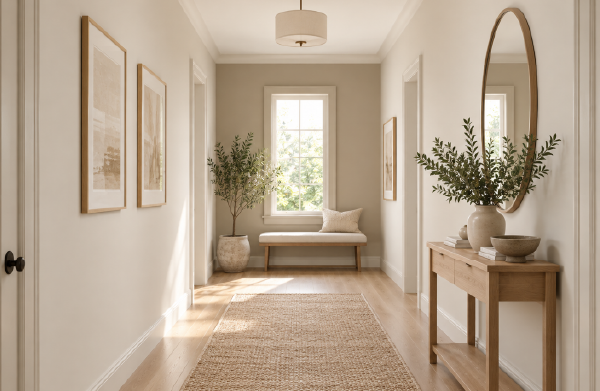
In a long, narrow room, colour can act like a visual balancing tool, gently correcting the proportions without changing the structure of the space.
Lighter shades on the longer side walls help those surfaces feel open and relaxed, while a slightly deeper tone on the shorter end wall draws it forward, giving the room a more considered and balanced feel.
Another clever approach is to keep the walls, skirting boards and trims within the same colour family. By softening harsh visual breaks, the eye moves more freely through the room, allowing the space to feel smoother, calmer and less confined.
This works beautifully in passages, slim bedrooms and open-plan areas where one section stretches longer than it should. With the right colour rhythm, even the narrowest space can feel more graceful and intentional.
Use Paint to Make Ceilings Look Higher
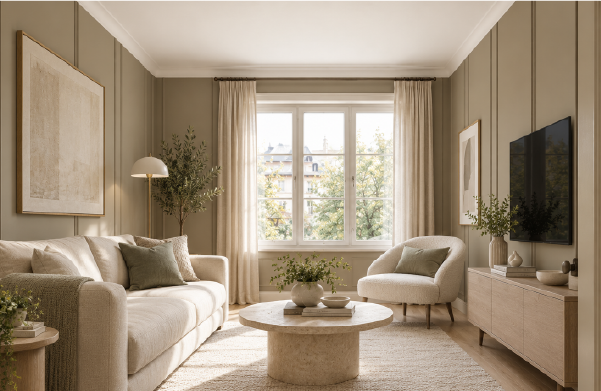
When a room feels slightly compressed by a low ceiling, paint can cleverly lift the eye and create the impression of extra height.
A lighter ceiling, paired with walls in a slightly deeper tone, naturally pulls attention upward. Whites, off-whites and softer tints of the wall colour can make the ceiling feel as though it is gently floating above the room.
Keeping the shift from wall to ceiling soft and understated also helps prevent the ceiling line from feeling heavy or visually boxed in.
Vertical painted details can heighten the illusion even further. Slim stripes, elongated colour panels or tall painted sections guide the eye upward, giving the walls a longer, more elegant presence.
For the best result, let the effect whisper rather than shout. Simple, well-placed details will create lift and elegance, while too many bold contrasts or busy patterns can make a smaller room feel crowded instead of spacious.
Bring a High Ceiling Down Visually
Bigger is not always better when a room begins to feel too open, echoing or detached.
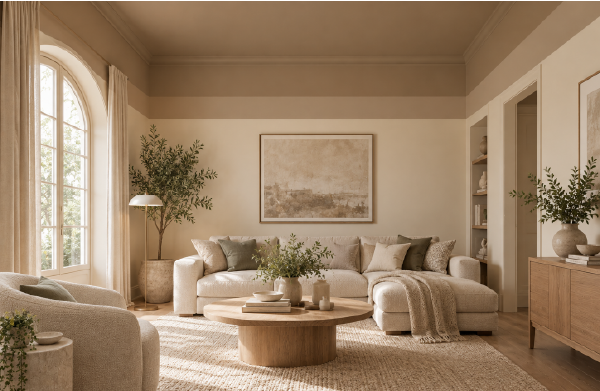
Large rooms with soaring ceilings can sometimes lose their sense of warmth, leaving the space feeling distant or unfinished. Painting the ceiling in a deeper or warmer shade than the walls can gently draw it closer, wrapping the room in comfort and creating a more grounded atmosphere.
For an even softer cocooning effect, allow the ceiling colour to flow slightly down the upper section of the walls. This creates a gentle visual embrace, making the room feel more intimate, settled and thoughtfully designed.
This approach works beautifully in bedrooms, dining rooms and generous living areas where the goal is to replace openness with atmosphere and turn volume into comfort.
Use One Colour to Blur the Boundaries
Understanding how paint affects room size can be as simple as looking at how colour flows across a space. Using one colour across walls, trims and even the ceiling creates a beautifully uninterrupted look, helping the room feel calm, connected and more expansive. Similar to colour drenching, this approach wraps the space in a cocoon of colour, softening visual boundaries and creating an atmosphere that feels immersive, comforting and intentionally designed.
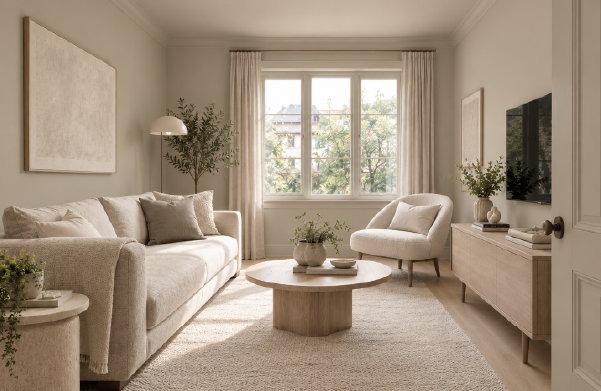
When skirting boards, cornices and door frames no longer interrupt the eye with sharp contrast, the room’s edges begin to soften. The eye can travel smoothly from one surface to the next, making compact interiors feel more open, seamless and quietly spacious.
Subtle differences in finish can then add gentle definition without breaking the harmony. Walls may carry a softer, more muted finish, while trims and doors can be treated with a slightly higher-sheen, more durable coating that catches the light in just the right way.
The result is a colour scheme that feels cohesive and considered, where architectural details are still present but reveal themselves softly rather than competing for attention.
Use Contrast to Define a Space
While a seamless colour scheme can make a room feel open and flowing, contrast gives the space a sharper voice and helps its features step confidently into focus.
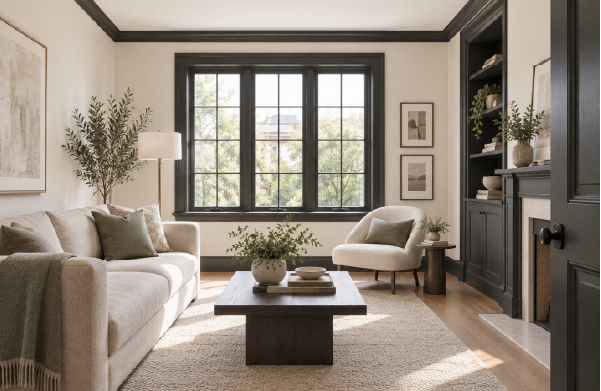
Dark trims against lighter walls act like elegant outlines, framing doors, windows and skirting boards with intention. This adds definition and brings architectural character to the foreground, especially in rooms with decorative details that deserve to be noticed.
Because contrast naturally catches the eye, it should be placed with purpose. Think of it as a spotlight: use it to direct attention to the parts of the room you want people to see first.
In smaller rooms, too much contrast can make the space feel visually crowded. Used selectively, however, it becomes a refined design accent that adds structure, interest and just the right amount of drama.
Use Horizontal and Vertical Details Carefully
Painted stripes and colour blocks can do more than decorate a wall; they can gently choreograph how the eye moves through a room and change the way its proportions are perceived.
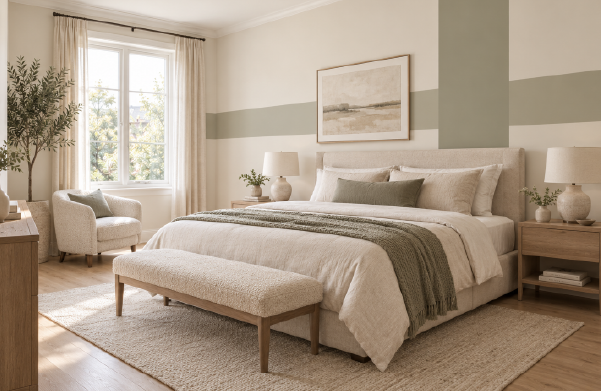
Vertical details lift the eye upward, giving walls a taller, more graceful presence.
Horizontal details draw the eye across the room, stretching the wall visually and creating a calmer sense of width.
The effect does not need to take over the entire room. A single feature wall, a narrow painted band or a thoughtfully placed colour panel can create just enough visual movement without overwhelming the space.
Soft tonal shifts are often more timeless and easier to live with than bold, high-contrast stripes, especially in bedrooms and living areas where comfort, calm and balance matter most.
Consider How Paint Finish Affects Room Size
Colour is not the only factor that determines how paint affects room size. The paint finish also influences the way light interacts with a surface.
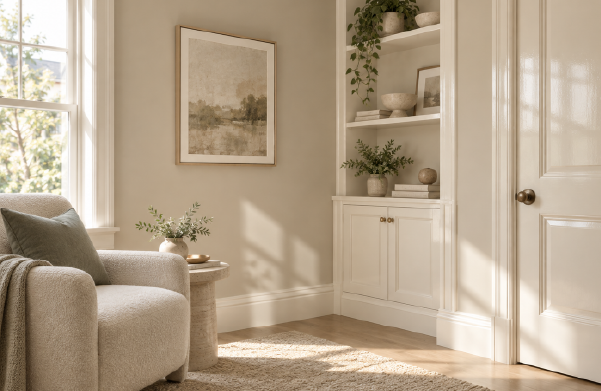
Lower-sheen finishes create a softer, more muted effect by gently absorbing light, while finishes with a little more sheen send light back into the room, adding subtle brightness and definition.
The best finish is one that balances beauty with performance. It should be chosen for the way the surface will be used, considering durability, washability and moisture resistance, not only for the visual effect it creates.
Used thoughtfully, different finishes can also become a quiet design detail, allowing trims, doors and architectural features to catch the light and reveal themselves without the need for an additional colour.
Plan the Whole Room Before Choosing a Colour
Paint never works alone; it becomes part of a larger conversation between light, texture, furniture and the way the room is lived in.
Flooring, furniture, curtains, natural light and artificial lighting all influence how a colour reveals itself once it meets the wall. A shade that feels soft and airy on a small sample can deepen dramatically when it stretches across an entire room, changing with every shift of daylight and evening glow.
Before committing to your final colour, step back and read the room as a whole. Consider:
- How much natural light the room receives
- The direction the windows face
- The size and proportions of the room
- Existing flooring and furniture
- Whether you want the room to feel open, intimate, taller or wider
Test your chosen colour in the actual room and watch how it performs from morning light to evening glow. A shade can shift beautifully as the day unfolds, so seeing it in its true setting helps you choose with confidence before transforming the entire space.
Transform the Way a Room Feels with Paint
Understanding how paint affects room size gives you another way to shape the feeling of an interior without renovations or structural changes.
Light colours can open up compact spaces, darker shades can create depth and warmth, and strategic colour placement can help balance rooms that feel too narrow, tall or oversized.
The most important step is deciding what you want to change about the way the room feels before choosing your colours. Once you understand the visual effect you want to create, paint becomes a practical design tool that can completely change the way you experience a space.
Visit your nearest Universal Paints Direct Outlet for expert advice on choosing the right colours, finishes and paint system for your interior project.
